By Caleb Morgan
Updated November 2026
Little River Canyon jeep trails give Alabama off-roaders a mix of rocky climbs, loose shale and forest two-tracks along one of the most scenic gorges in the Southeast. This guide explains how to match a route to your vehicle and skill level, when to go, and what to check before you leave pavement. Use it as a planning frame, then confirm current trail status with local land managers before you drive.
Step 1: Match the Route to Your Skill Level
Start by deciding how much technical driving you want. Easier routes stick to graded gravel and wide dirt roads where a stock high-clearance Jeep handles everything without much thought. Moderate routes add off-camber sections, washed-out ruts and short rock steps that call for careful line choice. Advanced sections involve steep, slick ledges where articulation and traction matter more than horsepower.
Shopping for one? See our guide: Jeep Wrangler for Overlanding: 3 Best Picks for Trail Camping (2026).
Before committing, look at recent trip reports and maps that flag which sections are closed or seasonal. Conditions in the canyon change after heavy rain, so a route rated moderate in dry weather can become a much harder day.
Step 2: Pick the Right Season
Spring and fall are the most comfortable times to run the canyon. Temperatures stay mild, and the leaf color in autumn draws crowds, so arrive early on weekends. Summer brings heat, humidity and afternoon thunderstorms that can make rock surfaces slick within minutes. Winter is usually workable on the lower roads, but ice and standing water can hide ledges and washouts.
| Season | Typical Conditions | Best For |
|---|---|---|
| Spring | Mild temperatures, wet spots from rain | Moderate routes, first-timers |
| Summer | Heat, storms, slick rock | Early morning runs only |
| Fall | Cool, dry, busy on weekends | All skill levels |
| Winter | Cold, possible ice and mud | Experienced drivers, lower roads |
Step 3: Prepare the Vehicle
Tires do more for trail performance than most upgrades. Many owners run all-terrain tires with a reinforced sidewall and inflate them to a lower pressure for traction on rock, then air back up before highway driving. Check that your spare, jack and tire repair supplies are in good shape.
Inspect the undercarriage before you go. Look for loose skid plates, exposed brake lines and low-hanging exhaust. A stock Jeep with a clean underside handles most canyon routes, but a dented oil pan or torn CV boot can end a trip quickly.
Trail Checklist
- Tire repair kit, portable compressor and tire pressure gauge
- Recovery straps, shackles and a rated tow strap
- Gloves, first aid kit and a fire extinguisher
- Offline map or downloaded GPS track for the route
- Water, food and a full fuel tank
- Charged phone and a backup battery pack, since cell coverage is spotty
Step 4: Plan the Recovery and Exit
Tell someone your route and expected return time. Canyon sections can have limited cell service, and a stuck vehicle may take hours to reach by foot. Carry enough water and layers for an unplanned night if conditions turn. When a section looks beyond your comfort zone, turn around early; backing out of a ledge is often easier than recovering a rolled Jeep.
Common Mistakes
- Driving after heavy rain, when rock ledges turn slick and washouts deepen
- Following a lifted or more capable rig into a line your vehicle can’t clear
- Airing tires down too far and risking bead separation on the highway
- Skipping a pre-trip check of straps, shackles and recovery points
- Ignoring closure signs or seasonal restrictions on public land
Recommended Gear
A portable air compressor lets you reinflate tires after airing down, which matters on long highway transits back from the canyon. View on Amazon
Soft shackles and a rated recovery strap give you a safer way to pull a stuck vehicle, provided you follow proper rigging practice. View on Amazon
A dedicated trail first aid kit covers scrapes and minor injuries, which are the most common issues on rocky terrain. View on Amazon
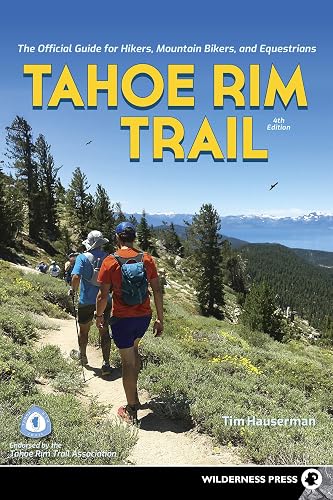
For more planning help, see Top 5 Easy Jeep Trails Moab Guides and Maps for Beginners for another beginner-friendly map approach, and Jeep Off Roading Trails: 5 Best Guides and Route Books for 2026 if you want printed references for backcountry days. If you are building the vehicle for longer trips, Jeep Wrangler Overlanding Setup: 7 Steps for a Trail-Ready Build (2026) covers the core upgrades.
FAQ
Are Little River Canyon jeep trails suitable for beginners?
Yes, some graded forest roads and lower-difficulty sections suit beginners with a stock high-clearance vehicle. Start on easier routes and move up only after you have practiced line choice and recovery basics.
What is the best time of year to run the canyon routes?
Spring and fall offer the most comfortable temperatures and drier trail surfaces. Summer afternoons bring storms that can make rock slick quickly.
Do I need a lifted Jeep for these trails?
Not always. Many moderate routes are manageable with good all-terrain tires and a clean undercarriage, though some advanced ledges reward extra articulation and clearance.
Conclusion
Choosing the right Little River Canyon route comes down to honest skill assessment, seasonal timing and a thorough vehicle check. Plan your exit as carefully as your entry, and turn around when a line exceeds your rig or experience. Confirm current access and closures with local land managers before every trip.
Ready to choose one?
About Caleb Morgan
Caleb Morgan is part of our editorial team and reviews and edits our off-road trails & overlanding guides, checking product details against manufacturer specifications and owner feedback.