By Caleb Morgan
Updated November 2026
Jeep trails in NJ are easier to enjoy than most people expect, because the state has a surprising amount of sandy, wooded and wet terrain within a few hours of the major cities. This guide explains how to pick a trail that matches your vehicle and skill, when to go, what to check before you leave, and how to avoid the errors that turn a good day into a long tow. Use it as a planning checklist before you pick a specific route.
Choosing a Trail That Fits Your Skill and Vehicle
New Jersey trails are rated mostly by sand depth, stream crossings and tree density rather than by steep rock climbs. Start with a trail you can drive in two-wheel or four-wheel high, then move up once you understand how your Jeep handles soft ground. For a broader look at how New Jersey routes are organized, see 4×4 Trails in NJ: A Beginner's Guide to New Jersey Off-Road Routes.
Shopping for one? See our guide: Jeep Wrangler for Overlanding: 3 Best Picks for Trail Camping (2026).
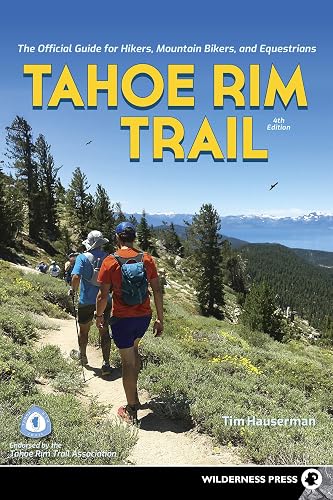
Wharton State Forest is the best-known area for sand-based routes, and its maps are useful for planning distances. Check current rules before you go, since state forest areas can close trails after storms or for management work. Wharton State Forest 4×4 Trails: 7 Best Maps and Guides for 2026 covers map choices in detail.
Best Season and Timing
Late fall through early spring is usually the most comfortable window. Summer brings heat, dense vegetation and heavy weekend traffic, while sand stays firm after a dry spell but turns soft and deep after heavy rain. Plan around the forecast and avoid the 48 hours after a significant storm, when stream crossings can rise quickly and sand can wash out.
Preparing Your Jeep Before the Trip
Most Jeep trail problems in New Jersey come from tires, air pressure and cooling rather than from the terrain itself. Sand rewards lower pressure, but too low a pressure risks bead separation on the pavement back to the highway.
- Check tire condition and set a trail pressure appropriate for your tire size and load, then reinflate before highway driving.
- Inspect the engine bay, belts and radiator for leaks, and confirm the cooling system is in good shape.
- Clear the battery terminals and confirm the battery is secure against vibration.
- Pack a tire repair kit, a portable air compressor, a tow strap rated for your vehicle and a basic recovery kit.
- Download offline maps and tell someone your route and expected return time.
Trail Etiquette and Legal Access
Stay on marked routes, follow posted restrictions and carry out everything you bring in. Many New Jersey trails cross private land or sensitive habitat, and rules can change, so confirm access with the managing agency before you drive. Respecting these limits protects the trails for everyone who comes after you.
Common Mistakes
- Airing down too far and then running pavement at highway speed.
- Driving through standing water without checking depth or bottom firmness.
- Ignoring the forecast and entering trails during or right after heavy rain.
- Going alone with no way to call for help where cell coverage is weak.
- Skipping a pre-trip inspection because the trail looked easy on a map.
Recommended Gear
- Portable air compressor: lets you raise tire pressure at the trailhead after airing down, which matters for highway safety. View on Amazon
- Recovery strap: a rated strap gives you a reliable way to pull out of sand or mud without improvised rigging. View on Amazon
- Tire repair kit: a plug kit handles the most common punctures on the trail so a minor flat does not end the day. View on Amazon
FAQ
Do I need a lift or big tires for New Jersey trails?
Many New Jersey routes are passable in a stock or lightly modified Jeep with good tires and careful driving. Larger tires and added clearance help on rougher or deeper sections, but they are not required for beginner trails.
When is the best time to drive jeep trails in NJ?
Late fall through early spring usually offers the best balance of firm sand, manageable temperatures and lighter crowds. Avoid the days just after heavy rain, when stream crossings and soft sand are most unpredictable.
Are New Jersey jeep trails open to the public?
Some routes are on public state forest land with posted rules, while others cross private property and may be restricted. Always confirm current access and seasonal closures with the managing agency before driving.
Conclusion
Pick a trail that matches your Jeep and experience, time your trip for dry, firm conditions and complete a full pre-trip check before you leave. Once you have those basics covered, New Jersey offers enough variety to build a solid off-road skill set. Start small, stay on legal routes and build from there.
Related reading
- Top 5 Jeep Wrangler Rooftop Tent Options for Trail Camping
- Top 5 Easy Jeep Trails Moab Guides and Maps for Beginners
Ready to choose one?
About Caleb Morgan
Caleb Morgan is part of our editorial team and reviews and edits our off-road trails & overlanding guides, checking product details against manufacturer specifications and owner feedback.