By Caleb Morgan
Updated November 2026
Jeep trails in Pigeon Forge give you access to the rugged ridgelines and forest roads of the Great Smoky Mountains foothills. This guide shows you how to match a trail to your skill level, prepare your Jeep before you leave, and plan a trip that stays safe and legal. Most of the riding happens on forest service roads and private-land routes, so the rules you follow matter as much as the terrain.
Step 1: Match the Trail to Your Skill and Vehicle
Start by being honest about your experience. Beginners should look for graded gravel and packed dirt with short, moderate climbs and few off-camber sections. Intermediate drivers can handle rocky stream crossings, loose switchbacks and steeper grades, while advanced routes often involve ledges, deep ruts and sustained articulation. Check your Jeep’s ground clearance, tire size and whether it has a lockable transfer case before you commit to anything above your comfort level.
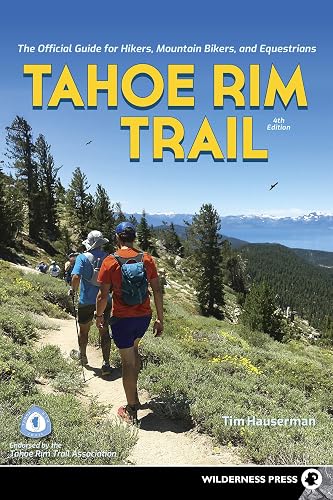
Shopping for one? See our guide: Jeep Wrangler for Overlanding: 3 Best Picks for Trail Camping (2026).
Step 2: Confirm Land Access and Seasonal Closures
Much of the terrain near Pigeon Forge falls under Great Smoky Mountains National Park or the Cherokee and Pisgah-adjacent forest lands, and the park itself does not allow off-road vehicles on its trails. Use only routes that are open to four-wheel drive, and confirm current closures with the managing agency before you go. Spring rains and winter snow often close access roads, so a route that was open last month may be blocked today.
Step 3: Prepare Your Jeep for the Trip
Before any outing, inspect tire pressure, sidewall condition, lug torque, fluid levels and the spare. Many drivers air down for technical sections, but drop pressure gradually and never go below the minimum your tire manufacturer specifies for your load. Carry recovery gear sized for your vehicle’s weight, and know where your recovery points are mounted. For a deeper build checklist, see Jeep Wrangler Overlanding Setup: 7 Steps for a Trail-Ready Build (2026).
Essential pre-trip checklist
- Tire pressure checked cold, with a portable compressor and gauge aboard.
- Recovery kit: rated tow strap or kinetic rope, shackles, gloves and a traction board.
- Offline maps downloaded, since cell coverage in the hollows is unreliable.
- Water, first-aid kit, headlamp and a charged phone with a power bank.
- Someone at home who knows your route and expected return time.
Step 4: Plan Your Route and Timing
Spring and fall offer the most comfortable conditions, with mild temperatures and drier trails. Summer brings afternoon thunderstorms that turn clay sections slick within minutes, so start early and plan to be off technical terrain by early afternoon. A printed or offline route book helps when you lose signal, and a few regional comparisons may help you choose; the guide Jeep Off Road Trails in GA: 7 Best Guides and Route Picks (2026) covers nearby Georgia options if you want to extend your trip south.
Common Mistakes to Avoid
- Attempting a trail rated above your vehicle’s clearance or your own experience.
- Driving on wet clay, which can cause long recoveries and trail damage.
- Skipping a recovery plan and assuming someone nearby will help.
- Ignoring closure notices and posted signs on forest roads.
- Running low on water or fuel in remote sections with no services.
Recommended Gear
A quality tow strap or kinetic recovery rope is the single most useful item for stuck situations, and it should be rated for your vehicle. A portable air compressor lets you reinflate after airing down, so you are not relying on a gas station trip. A traction board gives you a simple way out of soft mud or sand. View on Amazon View on Amazon View on Amazon
FAQ
Are there legal Jeep trails near Pigeon Forge?
Yes, several forest service and private-land routes allow four-wheel drive vehicles. Confirm access and closures with the managing agency before you drive, because the national park does not permit off-road travel.
When is the best time to run Jeep trails in this area?
Spring and fall usually offer the most stable conditions, with cooler temperatures and drier ground. Summer storms can make clay sections dangerous, so plan early starts.
Do I need a lift kit for beginner routes?
Most beginner routes are passable with a stock or lightly modified Jeep in good tires. Check the route difficulty rating and your ground clearance, and consult an experienced local guide if you are unsure.
Conclusion
Good jeep trails in Pigeon Forge reward careful planning: match the route to your skill, confirm access and seasonal closures, and prepare your vehicle and recovery gear. Start with an easier trail, build experience, and move up only when your Jeep and your confidence are ready. Always consult a local professional or guide for route-specific safety advice.
Related reading
- Top 5 Jeep Wrangler Rooftop Tent Options for Trail Camping
- Top 5 Easy Jeep Trails Moab Guides and Maps for Beginners
Ready to choose one?
About Caleb Morgan
Caleb Morgan is part of our editorial team and reviews and edits our off-road trails & overlanding guides, checking product details against manufacturer specifications and owner feedback.