By Caleb Morgan
Updated November 2026
Jeep trails in Las Vegas, NV give you desert canyons, dry washes and rock ledges within an hour or so of the Strip. This guide shows you how to match a route to your skill level, pick the right season, and prep your vehicle so a day on the trail stays fun and safe.
Step 1: Match the Route to Your Skill Level
Most trails in the Las Vegas area fall into three broad tiers. Beginner routes use graded dirt roads with occasional loose gravel and wash crossings. Intermediate routes add rocky climbs, off-camber sections and tighter turns. Advanced routes involve large ledges, steep grades and sections where a spotter is strongly recommended.
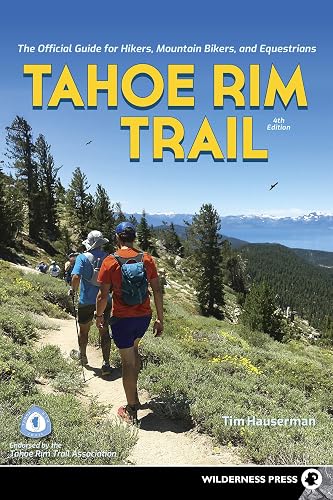
Shopping for one? See our guide: 5 Best 4×4 Trails Near Las Vegas Guidebooks for Every Skill Level (2026).
Before you commit, check the trail’s current rating in a recent guidebook or on a map app that shows recent user reports. Trail conditions change after storms, so a route rated easy last spring may have new washouts or fallen rock.
Step 2: Choose the Best Season
Late fall through early spring is the most comfortable window. Daytime highs often sit in the 60s and 70s Fahrenheit, which keeps you and your cooling system happier. Summer afternoons regularly top 100°F, and surface temperatures on bare rock can be far higher. If you must go in summer, start at sunrise, carry extra water and plan to be back in the vehicle by midday.
Monsoon-season storms can arrive quickly in late summer. Flash flooding is a real risk in narrow washes, so avoid drainage channels if clouds are building upstream.
Step 3: Prep Your Vehicle and Gear
Start with the basics: tires at a pressure suited to the terrain, a full fluid check, and a look at your brakes and cooling system. Owners often report that the most common trail-day failures are flat tires, overheating and dead batteries, so address those first.
Build a short checklist before you leave:
- Recovery strap or kinetic rope rated for your vehicle weight, plus gloves
- Tire repair kit, portable air compressor and a tire pressure gauge
- At least one gallon of drinking water per person per day, plus extra for the vehicle
- First aid kit, headlamp and a fully charged phone with offline maps saved
- Fire extinguisher, shovel and a basic tool kit
- Printed route map and a plan shared with someone at home
Step 4: Plan Access, Permits and Timing
Many routes pass through Bureau of Land Management or National Park Service land. Check the managing agency’s website for current road closures, seasonal restrictions and any required passes before you drive. Cell coverage is spotty, so download maps and confirm your route the night before.
Give yourself more time than the mileage suggests. Rough trails often move at 5 to 10 miles per hour, and you will stop often for photos, gear checks and recovery planning.
Common Mistakes to Avoid
- Picking a route above your current skill level without scouting it first.
- Driving through standing water or flash flood channels after rain.
- Traveling alone on remote routes with no check-in plan.
- Skipping a tire pressure check after airing down, then forgetting to air back up.
- Running low on water because the heat made everyone drink less than expected.
Recommended Gear
A kinetic recovery rope gives you a stretchy, controlled pull when you need to winch or tow out of soft sand, and it is a sensible first recovery item for desert trails. View on Amazon
A portable tire inflator lets you air down for sand and air back up for pavement without waiting for a gas station. View on Amazon
A digital tire pressure gauge is more accurate than most stick gauges and makes it easier to set consistent pressures before each trail. View on Amazon
FAQ
What is the best time of year for jeep trails in Las Vegas?
Late fall through early spring offers the most comfortable temperatures and the lowest heat risk. Summer trips are possible if you start early and carry extra water.
Do I need a lifted Jeep for Las Vegas trails?
Many beginner and intermediate routes work with a stock or lightly modified Jeep in good tires. Advanced routes benefit from added clearance, better tires and recovery gear.
Should I hire a guide or go alone?
Beginners and first-time visitors often benefit from a guided trip or a group with experience. If you go alone, tell someone your route and return time, and carry recovery and communication tools.
Conclusion
Choosing a route that matches your skill, timing your trip for mild weather and checking your vehicle before you leave will do more for your day than any single upgrade. Start with an easier route, build your confidence and work up to the rockier options. Always check current conditions and land-manager rules before you drive.
Related reading
- 4×4 Trails Las Vegas: 7 Routes by Skill Level and What to Prep (2026)
- Top 5 Jeep Wrangler Rooftop Tent Options for Trail Camping
- Top 5 Easy Jeep Trails Moab Guides and Maps for Beginners
- Sand Hollow Jeep Trails: A Route Guide to Difficulty, Season and Prep
- Moab Ut Jeep Trails: 7 Routes, Difficulty Levels and Prep Tips (2026)
Ready to choose one?
About Caleb Morgan
Caleb Morgan is part of our editorial team and reviews and edits our off-road trails & overlanding guides, checking product details against manufacturer specifications and owner feedback.