By Audrey Hayes
Updated November 2026
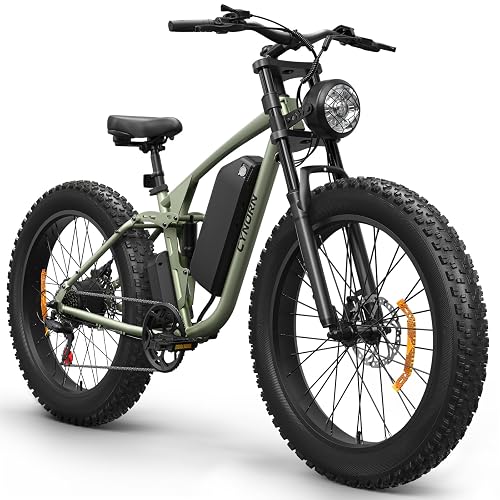
Off road bike trails open up dirt paths, singletrack, and fire roads that paved routes never reach. This guide walks you through choosing a trail that matches your skill, setting up your bike, packing the right gear, and riding with respect for other users. By the end, you will have a clear plan for your first ride.
Step 1: Match the Trail to Your Skill Level
Most trail systems grade routes using a color or symbol scale, though the exact system varies by land manager. Green or beginner routes usually have gentle grades and wide tread. Blue or intermediate routes add roots, rocks, and tighter turns. Black or expert routes often include steep drops, technical climbs, and exposed ledges. Start one level below what you think you can handle, then move up after a few rides.
Shopping for one? See our guide: Colorado 4×4 Trails Book: 5 Best Guides for Off-Road Routes.
Step 2: Check Season, Conditions, and Access
Trail surfaces change quickly with weather. Wet clay can turn slick and rut deeply, while dry summer dirt can be loose and dusty. Many managed areas close trails after heavy rain to prevent erosion, so check the land manager’s website or trail status page before you leave. Confirm parking, permit requirements, and whether the trail allows e-bikes, since some systems restrict them.
Step 3: Prepare Your Bike and Body
Before you ride, inspect the basics:
- Check tire pressure. Lower pressure, often in the mid-20s psi for many mountain tires, improves grip on loose terrain, but check the tire sidewall for the maximum rating.
- Test brakes for pad wear and smooth lever feel.
- Confirm chain lubrication and that the drivetrain shifts cleanly.
- Tighten bolts on the handlebar, stem, and seatpost.
- Adjust saddle height so your leg has a slight bend at the bottom of the pedal stroke.
Warm up for ten minutes on flat ground, and bring water and a snack for rides longer than an hour.
Step 4: Pack Essential Trail Gear
A basic kit should include a spare tube or tire plug kit, a multi-tool with the correct hex and Torx sizes for your bike, a mini pump or CO2 inflator, a phone with offline maps, and a basic first aid kit. Wear a helmet rated for mountain biking and gloves to protect your hands in a fall.
Common Mistakes to Avoid
- Riding a trail beyond your skill level, which often leads to crashes on steep or technical sections.
- Skipping a pre-ride check and discovering a loose bolt or flat tire mid-trail.
- Riding wet trails, which causes deep ruts and damages the surface for everyone.
- Failing to tell someone your route and expected return time.
- Leaving the marked trail to cut corners, which erodes slopes and disrupts wildlife.
Recommended Gear
A reliable pump helps you reinflate quickly after a flat or adjust pressure for changing terrain. View on Amazon
A compact multi-tool keeps common bolts tight without carrying a full tool roll. View on Amazon
A hydration pack lets you carry water and gear hands-free on climbs and descents. View on Amazon
Trail Etiquette and Where to Learn More
Yield to hikers and horse riders, announce yourself when passing, and keep your speed in check on shared paths. For a deeper look at shared-trail behavior, read Off-Road Trail Etiquette: Stay on Route, Share the Trail. If you prefer guidebooks or maps, 5 Best GPS for Off-Road Trails: Top Picks Compared (2026) covers navigation tools that work well in areas without cell signal.
FAQ
Do I need a full-suspension bike for off road bike trails?
Not for beginner or intermediate routes. A hardtail with front suspension handles most gravel, singletrack, and fire roads comfortably. Full suspension helps more on steep, rocky descents.
How do I find trails near me?
Search your state parks department, local land trust, or regional mountain bike association for mapped trail systems. Many offer downloadable maps and trail status updates.
Is it safe to ride off road bike trails alone?
Riding alone is possible on well-marked, moderate trails, but riding with a partner is safer, especially on remote routes. Always carry a charged phone and tell someone your plan. Consult a local bike shop or guide if you are unsure about a route.
Conclusion
Choose a trail that fits your current skill, check conditions and access before you go, and prepare both your bike and your gear. Ride within your limits, respect other users, and build up to harder terrain over time. Your first ride is the start of learning how each trail behaves.
Related reading
- Twisted Trails Off-Road Park: A Route Guide to Trails, Difficulty and Prep
- Top 6 Sedona Off Road 4×4 Trails Guides and Maps for Route Planning
- Top 6 Colorado 4×4 Trails Map Picks for Off-Road Routes (2026)
Ready to choose one?
About Audrey Hayes
Audrey Hayes is part of our editorial team and reviews and edits our off-road trails & overlanding guides, checking product details against manufacturer specifications and owner feedback.