By Audrey Hayes
Updated November 2026
Off road biking trails open up dirt paths, forest singletrack and gravel loops that paved roads never reach. This guide walks you through choosing a trail that matches your skill, preparing your bike, and riding with good habits so you return safely. Whether you are picking out your first route or upgrading to something more technical, the steps below will help you ride with confidence.
Step 1: Match the Trail to Your Skill Level
Most land managers and trail apps rate off road biking trails using a color or symbol system, though the exact labels vary by region. A common pattern runs from easy green or blue routes with smooth tread and gentle grades, through intermediate trails with roots, loose rock and switchbacks, to black or double-black routes with steep drops and technical features. Start one level below what you think you can handle. Your first few rides should teach you how your bike handles loose dirt and braking on descents, not how well you can clear a rock garden.
Shopping for one? See our guide: Colorado 4×4 Trails Book: 5 Best Guides for Off-Road Routes.
Step 2: Plan Your Route and Check Conditions
Before you ride, confirm the trail is open. Many off road biking trails close after heavy rain because wet soil rutts easily and damages the tread. Check the agency website or a trail app for recent reports, and look at the elevation profile so you know how much climbing is ahead. Plan a turnaround point and tell someone where you are going. Cell coverage is often weak on public lands, so download offline maps in advance.
Step 3: Prepare Your Bike
A quick pre-ride inspection prevents most trailside problems. Work through this list at home:
- Check tire pressure. Many riders run lower pressure off road than on pavement, but the right number depends on tire width, rider weight and terrain, so test small adjustments.
- Inspect brake pads and rotors for wear and contamination.
- Confirm the chain is clean and lubricated, and that derailleur shifting is crisp.
- Tighten bolts on the stem, handlebars, seatpost and axles.
- Carry a tube or sealant kit, a mini pump or CO2 inflator, a multitool and a spare quick link for the chain.
Step 4: Ride with Trail Etiquette and Safety in Mind
Stay on marked routes, since cutting switchbacks widens erosion and damages habitat. Yield to hikers and horseback riders, and call out when you approach from behind. On descents, keep your weight back, look ahead to where you want to go rather than at the obstacle directly under your wheel, and modulate your brakes rather than skidding. Wear a helmet and gloves at minimum, and consider knee and elbow protection on technical terrain.
Common Mistakes to Avoid
- Riding trails that are wet or muddy, which causes lasting tread damage.
- Overestimating your skill and choosing a black-rated route on your first outing.
- Skipping a pre-ride bike check and discovering a loose bolt or flat miles from the trailhead.
- Riding alone without a plan or without water, food and a basic repair kit.
- Braking hard on loose descents, which often causes skids and crashes.
Recommended Gear
A well-fitting helmet is the single most important purchase for any rider on off road biking trails. Look for models that meet current CPSC or CE standards and fit snugly without pressing on your forehead.
A hydration pack keeps water within reach so you do not have to stop on climbs. Choose one with a capacity suited to your typical ride length. View on Amazon
A compact trail repair kit, including tire levers, a patch kit or tubeless plug kit, and a multitool, lets you fix common failures on the trail rather than walking out. View on Amazon
FAQ
How do I find off road biking trails near me?
Check your state or regional parks website, local mountain bike club pages, and trail apps that show user reports and maps. Filter by difficulty and trail type to narrow your options.
What is the best time of year to ride off road biking trails?
Spring and fall usually offer firm, dry tread and mild temperatures in most regions. Summer heat can be dangerous in some areas, so ride early in the day and carry extra water.
Do I need special equipment to start?
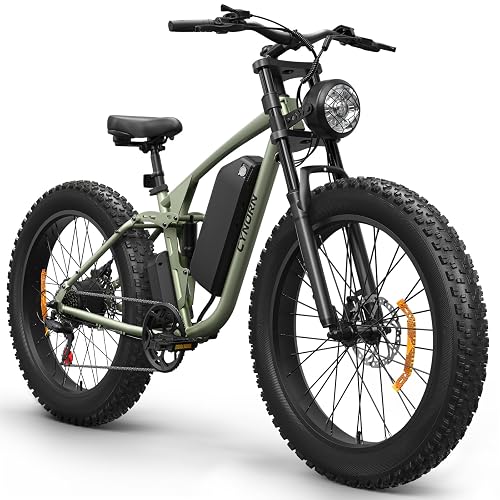
A mountain bike with knobby tires, a helmet, gloves and a basic repair kit are enough for beginner trails. Upgrades like suspension and protective pads can come later as your skills grow.
Conclusion
Good off road biking trails experiences start with honest skill matching, a quick bike check and respect for trail conditions and other users. Build your skills on easier routes, keep a repair kit on hand, and step up in difficulty gradually. Each ride will teach you something new about your bike and the terrain.
Related reading
- Twisted Trails Off-Road Park: A Route Guide to Trails, Difficulty and Prep
- Top 6 Sedona Off Road 4×4 Trails Guides and Maps for Route Planning
- Top 6 Colorado 4×4 Trails Map Picks for Off-Road Routes (2026)
- Off-Road Trail Etiquette: Stay on Route, Share the Trail
- Off Road Trails in Wisconsin 4×4: 7 Best Guides and Route Books (2026)
Ready to choose one?
About Audrey Hayes
Audrey Hayes is part of our editorial team and reviews and edits our off-road trails & overlanding guides, checking product details against manufacturer specifications and owner feedback.