By Audrey Hayes
Updated November 2026
Shopping for the best used overlanding vehicles means balancing ground clearance, drivetrain capability, reliability with age, and how much gear you can actually carry. This guide ranks five options against those criteria: off-road capability, parts availability, long-term durability, interior space for camping, and how easily a vehicle accepts modifications like suspension lifts, rooftop tents and auxiliary fuel or water. Because this site focuses on trail guides, route planning, vehicle prep and gear, the picks below lean toward resources that help you choose and prepare a rig rather than a single make and model. Every product here is a book, and each is chosen for how well it supports used-vehicle buyers and first-time builders.
Our top picks at a glance
- 1
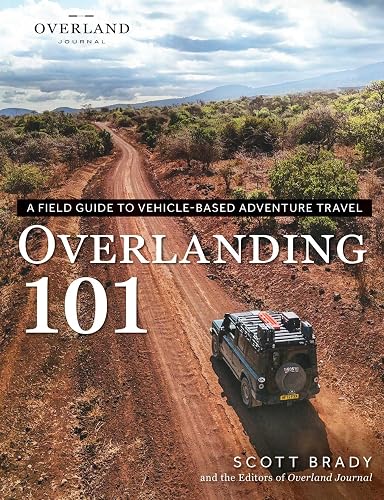 TOP CHOICEBest overallOverlanding 101: A Field Guide to Vehicle-Based Adventure TravelView on Amazon
- 2
 TOP CHOICEBest for building a dedicated expedition rigThe Overlanding Vehicle Builder's GuideView on Amazon
- 3
 TOP CHOICEBest for budget-minded buyersOverland: Project Guide to Offroad, Bug Out & Overlanding VehiclesView on Amazon
- 4
 Best for beginners on a tight timelineOverlanding For The Questionably PreparedView on Amazon
- 5
 Best for long-distance trip planningThe Overlanding Handbook: Planning and Equipping a Vehicle for Long-Distance AdventureView on Amazon
Our Top Picks
Quick Comparison
| Product | Best for | Key feature |
|---|---|---|
| Overlanding 101: A Field Guide to Vehicle-Based Adventure Travel | Overall orientation | Broad coverage of vehicle choice, route planning and camp setup |
| The Overlanding Vehicle Builder’s Guide | Building a dedicated rig | Step-by-step modification and drivetrain focus |
| Overland: Project Guide to Offroad, Bug Out & Overlanding Vehicles | Budget-minded buyers | Project-based approach to converting a used vehicle |
| Overlanding For The Questionably Prepared | Beginners on a tight timeline | Practical field-prep checklists |
| The Overlanding Handbook: Planning and Equipping a Vehicle for Long-Distance Adventure | Long-distance trip planning | Equipment selection for multi-week travel |
Overlanding 101: A Field Guide to Vehicle-Based Adventure Travel
Overlanding 101: A Field Guide to Vehicle-Based Adventure Travel (Overland Journal)
Best for: Overall orientation before you buy or modify a vehicle
This is a sensible starting point for someone who has not yet settled on a platform. It covers how to think about vehicle choice, what capability means on real terrain, and how camp and recovery gear fit together. Readers who already know their vehicle may want something more specialized.
Key specs
- Format: print field guide
- Subject: vehicle-based adventure travel and overlanding
Pros
- Covers vehicle selection criteria in plain language
- Useful for planning trips, not just building
- Good reference to keep in the truck
Cons
- Less depth on specific drivetrain modifications
- Information on specific models can date quickly
Bottom line: A strong first purchase for buyers who want a broad foundation before committing to a used vehicle.
The Overlanding Vehicle Builder’s Guide
The Overlanding Vehicle Builder's Guide
Best for: Building a dedicated expedition rig from a used base vehicle
Aimed at owners who plan to convert a used truck or SUV into a capable trail platform, this guide focuses on the build sequence: suspension, tires, power, storage and sleeping setup. It suits people willing to spend weekends in the garage.
Key specs
- Format: build guide
- Subject: vehicle modification for overland travel
Pros
- Organized around the order work should be done
- Helpful for weighing modification trade-offs
- Practical for used-vehicle projects
Cons
- Assumes some mechanical experience
- Build choices may not match every platform
Bottom line: Best for owners who already have a used vehicle in mind and want a structured build plan.
Overland: Project Guide to Offroad, Bug Out & Overlanding Vehicles
Overland: Project Guide to Offroad, Bug Out & Overlanding Vehicles
Best for: Budget-minded buyers converting an inexpensive used vehicle
This project-oriented guide is written for readers who want to get the most capability out of a used vehicle without a large upfront commitment. It emphasizes staged upgrades, so you can prioritize what matters most for your local terrain first.
Key specs
- Format: project guide
- Subject: offroad and overlanding vehicle projects
Pros
- Encourages staged, budget-conscious upgrades
- Covers both trail use and self-reliance planning
- Good for choosing which platform to start from
Cons
- Some project ideas require significant fabrication skills
- Coverage of newer vehicles may be limited
Bottom line: A good pick for buyers who want a practical, staged plan rather than a full rebuild on day one.
Overlanding For The Questionably Prepared
Overlanding For The Questionably Prepared: A practical field guide to vehicle supported adventure
Best for: Beginners who need a fast, practical field guide
This book is aimed at people who are new to vehicle-supported travel and want quick, usable guidance on preparation. It works well as a checklist-driven companion for a first trip in a used vehicle.
Key specs
- Format: field guide
- Subject: practical preparation for vehicle-supported adventure
Pros
- Accessible writing for newcomers
- Focus on preparation habits and basic readiness
- Short enough to read before a trip
Cons
- Less depth for experienced builders
- Vehicle-specific guidance is limited
Bottom line: Ideal for beginners who want practical readiness basics before choosing and modifying a used rig.
The Overlanding Handbook: Planning and Equipping a Vehicle for Long-Distance Adventure
The Overlanding Handbook: Planning and Equipping a Vehicle for Long-Distance Adventure (The Adventure Vehicle Library Book 3)
Best for: Long-distance trip planning and equipment selection
Part of a vehicle-focused book series, this handbook addresses planning for multi-week travel: how to choose equipment for weight, power and water needs, and how to match a used vehicle to a long route. It suits readers who expect to be far from services for extended periods.
Key specs
- Format: handbook (part of a series)
- Subject: planning and equipping for long-distance travel
Pros
- Strong focus on planning for extended trips
- Useful for matching payload and gear to a vehicle
- Fits into a broader series for deeper reading
Cons
- Less emphasis on quick, beginner-level checklists
- Works best alongside a build-focused title
Bottom line: Best for buyers planning serious long-distance routes who need to think through payload and supplies.
Buying Guide
Drivetrain and off-road capability
Look for a true four-wheel-drive system with a low-range transfer case, locking or limited-slip differentials, and enough ground clearance for the terrain you plan to cover. Many used overlanding candidates come from body-on-frame trucks and SUVs, which tend to handle articulation and payload better than unibody crossovers. Check the transfer case and differential condition during a pre-purchase inspection, since repairs can be costly.
Good picks for this: Overlanding 101: A Field Guide to Vehicle-Based Adventure Travel, The Overlanding Vehicle Builder’s Guide
Reliability and parts availability
A vehicle with a strong owner community and widely available parts is easier to keep running far from home. Check how common the engine and transmission are in aftermarket parts catalogs, and look for documented recall and service bulletin history on the model year you are considering. Owners often report that popular platforms have deeper aftermarket support, which matters when a replacement part is needed on a remote route.
Good picks for this: Overland: Project Guide to Offroad, Bug Out & Overlanding Vehicles, Overlanding For The Questionably Prepared
Size, payload and fit
Overlanding loads add up quickly. Check the vehicle’s gross vehicle weight rating and payload capacity, then subtract the weight of your intended roof rack, tent, water, fuel, tools and passengers. Measure your garage and parking space too, since a lifted rig with a rooftop tent can exceed common height limits. Leave a margin of at least 10 to 15 percent below payload for safety and tire wear.
Good picks for this: The Overlanding Handbook: Planning and Equipping a Vehicle for Long-Distance Adventure
Interior space and sleeping setup
Decide early whether you will sleep in the vehicle, in a rooftop tent or in a trailer. A rear cargo area with a flat floor and a fold-down seat layout works well for a sleeping platform, while a roof rack with a suitable load rating supports most rooftop tents. Confirm the roof load limit in the owner’s manual before mounting anything.
Good picks for this: Overlanding For The Questionably Prepared, The Overlanding Handbook: Planning and Equipping a Vehicle for Long-Distance Adventure
Use case and trip length
A weekend rig and an expedition rig have different priorities. Short trips on graded forest roads can be handled by a stock-height vehicle with modest tires, while multi-week desert or high-altitude travel calls for more fuel range, water storage and recovery equipment. Write down your typical route length, terrain and number of passengers before you start shopping.
Good picks for this: Overlanding 101: A Field Guide to Vehicle-Based Adventure Travel, Overland: Project Guide to Offroad, Bug Out & Overlanding Vehicles
Condition and inspection
For a used vehicle, check frame rust, suspension bushings, brake wear, fluid condition, and any signs of prior off-road abuse such as bent skid plates or aftermarket welds. Ask for service records and confirm that accessory wiring is safely installed. If you are unsure how to evaluate a frame or drivetrain, a qualified mechanic should inspect the vehicle before purchase.
Good picks for this: The Overlanding Vehicle Builder’s Guide, Overlanding For The Questionably Prepared
Modification potential
Choose a platform that accepts the modifications you expect to make: lift kits, larger tires, skid plates, auxiliary power and a rear drawer system. Some vehicles require significant wiring or cooling upgrades to support extra accessories. Factor in the time and skill needed, not just the parts.
Good picks for this: The Overlanding Vehicle Builder’s Guide, Overland: Project Guide to Offroad, Bug Out & Overlanding Vehicles
FAQ
What makes a used vehicle good for overlanding?
The strongest candidates combine true four-wheel drive, adequate ground clearance, a durable drivetrain, a strong payload rating and a large aftermarket parts ecosystem. Body-on-frame vehicles are often favored for towing and articulation, but the right choice depends on your routes and budget.
Should I buy a used vehicle that is already modified?
Possibly, but inspect every modification carefully. Look for quality wiring, properly installed suspension components, and correct load ratings on racks and bumpers. Poorly done modifications can create safety problems and are expensive to correct.
How much payload should I plan for?
Plan to keep total loading comfortably below the vehicle’s payload rating. Many owners recommend leaving a margin for tires and suspension wear. Weigh your loaded vehicle at a public scale if possible to confirm real numbers.
Is a rooftop tent safe on a used SUV?
It can be, provided the roof rack and mounting points are rated for the combined weight of the tent, occupants and gear. Confirm the roof load limit in the owner’s manual and avoid exceeding it.
Do I need a lift kit for overlanding?
Not always. Many trails are passable with stock height and good tires. A lift can add clearance for larger tires, but it also changes handling and center of gravity, so consider your actual terrain first.
What maintenance should a used overlanding vehicle get before a trip?
Check fluids, brake condition, tire pressure and tread, belts and hoses, suspension bushings and battery health. Carry basic spares and confirm the spare tire is in good shape. For any safety-critical repair, consult a qualified mechanic.
Are overlanding books useful if I already own a vehicle?
Yes. Field guides and build guides help you plan routes, prioritize upgrades and understand trade-offs, even if you already have a vehicle. They work best as references alongside a manufacturer’s manual and a hands-on inspection.
Conclusion
For most readers, the best starting point is a broad guide such as Overlanding 101, which helps you judge which used vehicle fits your terrain and trip style. Owners planning a dedicated build should look at The Overlanding Vehicle Builder’s Guide, while budget-minded buyers may prefer the staged approach in Overland: Project Guide to Offroad, Bug Out & Overlanding Vehicles. Beginners wanting quick preparation habits will find Overlanding For The Questionably Prepared useful, and those planning long routes should consider The Overlanding Handbook. Pair any of these with a thorough pre-purchase inspection and a qualified mechanic’s opinion before committing to a used vehicle.
Sources
- Vehicle safety ratings, recall lookups and guidance on checking a used vehicle's recall history (nhtsa.gov)
- Official fuel economy data that helps estimate range for long-distance trip planning (fueleconomy.gov)
- Consumer product safety information relevant to cargo, roof racks and accessory mounting (cpsc.gov)
Related reading
- Water Tank for Overlanding: 6 Best Picks Compared for Trail Use
- Top 7 Rooftop Tent Dog Ladder Options for Overlanding in 2026
- Top 5 Rooftop Tent Trailers for Sale Options for Overlanding in 2026
- Top 5 Rooftop Tent Camper Trailer Options for Overlanding (2026)
About Audrey Hayes
Audrey Hayes is part of our editorial team and reviews and edits our off-road trails & overlanding guides, checking product details against manufacturer specifications and owner feedback.