 By Audrey Hayes
Updated November 2026
Finding the best overlanding trails in the United States takes more than picking a pretty map. You need routes that match your vehicle, your skill level, and the season you plan to travel. Overlanding covers a wide range of terrain, from desert washes and mountain passes to sandy forest tracks and rocky canyon roads, so a good trail resource has to explain difficulty, required clearance, and seasonal access clearly. The guides below were selected for regional coverage, practical route information, and the way owners typically describe them in reviews, with a focus on planning and safety rather than destination hype.
Our top picks at a glance
- 1
 TOP CHOICEBest overallOverlanding in the Southeastern United States: GA, SC, NC, TN, Southern VAView on Amazon
- 2
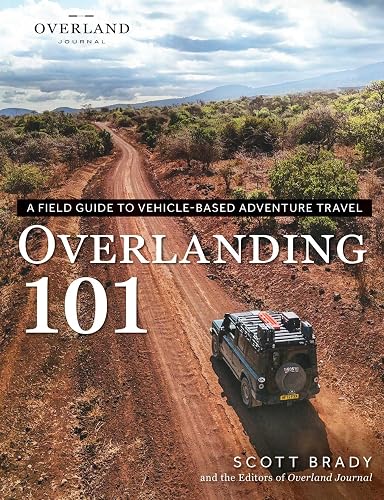 Best for beginnersOverlanding 101: A Field Guide to Vehicle-Based Adventure TravelView on Amazon
- 3
 Best for side-by-side ownersUTV OVERLANDING & CAMPING: A Comprehensive Guide to Adventure Travel iView on Amazon
Our Top Picks
Quick Comparison
| Product | Best for | Key feature |
|---|---|---|
| Overlanding in the Southeastern United States: GA, SC, NC, TN, Southern VA | Regional trip planning in the Southeast | Route coverage across five states |
| Overlanding 101: A Field Guide to Vehicle-Based Adventure Travel | New overlanders building core skills | Broad, principles-first instruction |
| UTV Overlanding & Camping: A Comprehensive Guide to Adventure Travel in Your Side by Side | Side-by-side and UTV owners | Focus on UTV-specific trail travel |
Overlanding in the Southeastern United States: GA, SC, NC, TN, Southern VA
Overlanding in the Southeastern United States: GA, SC, NC, TN, Southern VA
Best for: Regional trip planning in the Southeast
This guide suits overlanders who want to explore the Appalachian foothills, Piedmont backroads, and forest service roads across Georgia, South Carolina, North Carolina, Tennessee, and Southern Virginia. Its regional scope makes it useful for route scouting when you are working within a single region and need to compare terrain across several states.
Key specs:
- Regional coverage: Georgia, South Carolina, North Carolina, Tennessee, Southern Virginia
- Subject focus: overlanding routes and trip planning in the Southeastern United States
Pros:
- Regional focus keeps route information relevant to a defined area
- Useful for comparing terrain and access across several neighboring states
- Well suited to planning multi-day trips that cross state lines
Cons:
- Coverage is limited to the Southeast, so it will not help with western desert or alpine routes
- Regional route details can change with forest closures, so verify current conditions with land managers
Bottom line: A strong choice for overlanders who plan most of their trips in the Southeast and want a regional reference that stays on topic.
Overlanding 101: A Field Guide to Vehicle-Based Adventure Travel
Overlanding 101: A Field Guide to Vehicle-Based Adventure Travel (Overland Journal)
Best for: New overlanders building core skills
This field guide is aimed at people who are new to vehicle-based travel and want to understand the fundamentals before committing to difficult routes. It covers the planning mindset, vehicle readiness, and self-reliance habits that experienced overlanders tend to recommend. It is a good companion to route-specific guides rather than a replacement for them.
Key specs:
- Subject focus: vehicle-based adventure travel fundamentals
- Published under the Overland Journal name
Pros:
- Principles-first approach that applies across regions and vehicle types
- Helps beginners understand trip planning before attempting technical terrain
- Pairs well with regional trail guides for building a complete plan
Cons:
- Does not list specific trail names or current trail conditions
- Experienced overlanders may find some basics familiar
Bottom line: Best for anyone who wants a solid foundation in overlanding planning and self-reliance before choosing specific routes.
UTV Overlanding & Camping: A Comprehensive Guide to Adventure Travel in Your Side by Side
UTV OVERLANDING & CAMPING: A Comprehensive Guide to Adventure Travel in Your Side by Side
Best for: Side-by-side and UTV owners
This guide is written for owners of side-by-sides and UTVs who want to travel and camp off-road. Those vehicles have different width, clearance, and payload characteristics than full-size 4x4s, so route planning and camp setup differ too. A resource aimed specifically at that vehicle class saves time when you are sorting out which trails suit your machine.
Key specs:
- Vehicle focus: side-by-sides and UTVs
- Subject focus: adventure travel and camping in a side-by-side
Pros:
- Addresses side-by-side-specific considerations that general overlanding books often skip
- Useful for both trail selection and camp planning
- Good fit for owners who want to explore multi-day routes on a UTV
Cons:
- Less relevant to owners of full-size trucks, SUVs, or Jeeps
- Specific route recommendations should be checked against current land-manager rules, since UTV access varies by area
Bottom line: The right pick for UTV owners who want a guide built around their vehicle rather than a generic 4×4 reference.
Buying Guide
Trail Difficulty and Your Skill Level
Trail difficulty ratings are not standardized across the country. A route labeled moderate in one state may involve steeper grades or looser surfaces than a route with the same label elsewhere. Start with routes that match your current experience, and read descriptions for specifics such as water crossings, rock sections, and grade length. Build up gradually as your vehicle and skills develop.
Good picks for this: Overlanding 101: A Field Guide to Vehicle-Based Adventure Travel, Overlanding in the Southeastern United States: GA, SC, NC, TN, Southern VA
Vehicle Type and Trail Access
Full-size trucks, SUVs, Jeeps, and side-by-sides face different restrictions. Many forest and BLM roads allow certain vehicle classes and exclude others based on width or licensing. Check land-manager websites for current access rules before you commit to a route, and confirm whether a trail is open to your specific vehicle class.
Good picks for this: UTV Overlanding & Camping: A Comprehensive Guide to Adventure Travel in Your Side by Side
Regional Scope and Route Coverage
Overlanding terrain varies enormously. Southeastern routes often involve dense forest, red clay, and creek crossings, while western routes may involve desert washes, high-altitude passes, or long stretches without services. Choose a resource whose coverage matches where you actually plan to travel, or plan to supplement it with local information.
Good picks for this: Overlanding in the Southeastern United States: GA, SC, NC, TN, Southern VA
Seasonal Access and Weather
Many high-elevation and northern routes are closed by snow for several months, and desert routes can become dangerous in extreme heat. Mud season can make forest roads impassable. Check seasonal closure dates and weather forecasts before departure, and build flexibility into your itinerary so you can change routes if conditions shift.
Good picks for this: Overlanding 101: A Field Guide to Vehicle-Based Adventure Travel
Navigation and Map Reliability
Cell coverage is often absent on backcountry routes, so a printed map, offline GPS data, or a paper atlas remains essential. Confirm that any route guide you use is current, and cross-check road numbers and trail junctions against official agency maps. Carry a backup navigation method in case your primary device fails.
Good picks for this: Overlanding in the Southeastern United States: GA, SC, NC, TN, Southern VA, Overlanding 101: A Field Guide to Vehicle-Based Adventure Travel
Self-Reliance and Trip Preparation
Plan for water, fuel, food, first aid, and recovery needs for the full length of your trip, plus a margin for delays. Many experienced overlanders recommend telling someone your route and expected return time. Recovery gear such as traction boards, a tow strap rated for your vehicle, and a shovel should be checked before every trip.
Good picks for this: Overlanding 101: A Field Guide to Vehicle-Based Adventure Travel, UTV Overlanding & Camping: A Comprehensive Guide to Adventure Travel in Your Side by Side
Leave No Trace and Land Rules
Stay on designated routes to avoid damaging fragile desert crusts, wet meadows, and forest soils. Pack out all trash, follow fire restrictions, and check whether campfires are allowed at your site. Regulations differ between national forests, state forests, BLM land, and private property, so confirm the rules for each area on your route.
Good picks for this: Overlanding 101: A Field Guide to Vehicle-Based Adventure Travel
FAQ
What makes a trail good for overlanding?
A good overlanding trail is one that matches your vehicle’s capability, your experience, and the conditions you expect. It usually offers scenery or purpose beyond the drive itself, such as camping areas, historical sites, or remote landscapes, and it has clear information on difficulty, closures, and access rules.
Do I need a 4×4 for overlanding?
Many overlanding routes can be driven with a 4×4, but some use high-clearance two-wheel-drive vehicles, and others require a dedicated off-road rig. Check the trail description for required clearance and traction, and begin with routes that fit your current vehicle.
When is the best season for overlanding in the United States?
It depends on region. Desert routes are often best in cooler months, while high-elevation routes are typically open from late spring through early fall. Southeastern forest roads can be wet in winter and spring. Check closure dates with the managing agency before you plan.
How do I find out whether a trail is open?
Check the website of the managing agency, such as a national forest, BLM field office, or state forest service. Many agencies post current road conditions, closures, and seasonal restrictions. Local ranger stations and outdoor shops can also provide up-to-date information.
Is a guidebook enough to plan an overlanding trip?
A guidebook is a strong starting point but should be combined with current official information, offline maps, and a clear understanding of your vehicle’s limits. Conditions change, and printed route descriptions can be outdated.
What safety gear should I carry on a remote trail?
Common recommendations include extra water, a first aid kit, a tire repair kit, a tire pressure gauge, recovery straps, a shovel, a fire extinguisher, and a way to communicate, such as a satellite messenger. Carry enough supplies for delays. If you have medical needs, consult a qualified professional before heading into remote areas.
Can I overland in a side-by-side?
Yes, many owners travel and camp in side-by-sides, but access rules often differ from those for full-size vehicles. Confirm that your specific machine is allowed on the trails you plan to use, and pack for the reduced cargo and passenger space.
Conclusion
The best overlanding trails in the United States depend on where you travel, what vehicle you drive, and how much experience you bring. For regional route planning in the Southeast, the Southeastern guide is the most direct choice. For new overlanders who want to build fundamentals, the field guide offers the broadest foundation. For side-by-side owners, the UTV guide addresses the specific needs of that vehicle class. Pair any of these with current agency information before you head out.
Sources
- Forest Service guidance on national forest roads, trail closures, and travel management rules (usda.gov)
- Bureau of Land Management information on public land access, route designations, and off-road vehicle regulations (blm.gov)
- Leave No Trace principles for responsible outdoor recreation and minimizing impact on backcountry routes
Related reading
- Water Tank for Overlanding: 6 Best Picks Compared for Trail Use
- Water Storage for Overlanding: 7 Best Picks Compared for Trail Use
- Top 7 Overlanding Paper Towel Holder Options for Trail Camping
- Top 6 Propane Tanks for Overlanding: Compared for Trail Camping
- Top 5 Best Diesel Heaters for Overlanding Picks Compared for Trail Camping
- Subaru Outback for Overlanding: 4 Best Picks Compared for Trail Use
- Overlanding Water Filtration System: 6 Best Picks Compared for Trail Use
- Overlanding Shovel and Axe: 6 Best Picks Compared for Trail Use
About Audrey Hayes
Audrey Hayes is part of our editorial team and reviews and edits our off-road trails & overlanding guides, checking product details against manufacturer specifications and owner feedback.