By Caleb Morgan
Updated November 2026
Choosing an off road recovery gear bag comes down to matching storage capacity, bag layout and durability to the way you actually travel. A bag that holds a shackle kit and a tree saver is useful, but a bag that crushes your recovery strap or lets mud seep into your gloves can make a bad day worse. This guide compares five bags sold on Amazon US and weighs them against four criteria: how well the bag protects its contents, how easily you can reach gear in the dark, how much it holds without bulging, and how well the stitching and hardware hold up to repeated trail use. The comparison is based on manufacturer specifications, brand reputation and common owner feedback patterns. We have not tested these bags ourselves.
Our top picks at a glance
- 1
 TOP CHOICEBest overallARB Recovery Bag Small S2 (Suits RK11) (ARB502A)View on Amazon
- 2
 TOP CHOICEBest for compact storageGo Rhino! Recovery Bag | 7.5" x 11.5" x 18" | XG1070-01View on Amazon
- 3
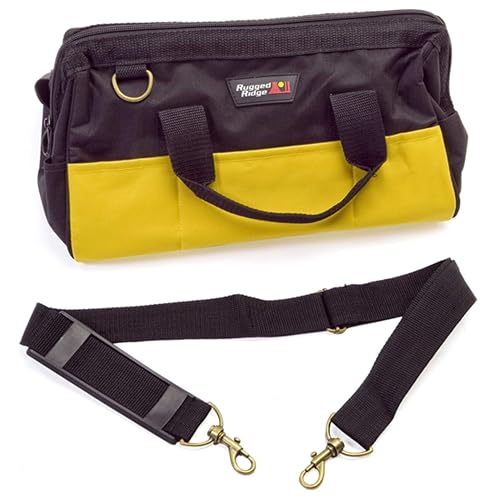 TOP CHOICEBest for heavy-duty useRugged Ridge 15104.40 Recovery Gear Bag, Heavy DutyView on Amazon
- 4
 Best for dedicated recovery kitsAEV Recovery Gear BagView on Amazon
- 5
 Best budget pickWARN 95510 Epic Trail Gear: Accessory Backpack/Storage Bag, BlackView on Amazon
Our Top Picks
| Product | Best for | Key feature |
|---|---|---|
| ARB Recovery Bag Small S2 (Suits RK11) | Owners who want a model-matched recovery bag | Sized to suit the RK11 recovery kit |
| Go Rhino! Recovery Bag | Compact storage in tight cargo areas | Defined footprint of 7.5 x 11.5 x 18 inches |
| Rugged Ridge 15104.40 Recovery Gear Bag | Heavy-duty daily trail use | Heavy-duty construction for repeated loading |
| AEV Recovery Gear Bag | Organized storage for a full recovery kit | Dedicated recovery-gear layout |
| WARN 95510 Epic Trail Gear Accessory Backpack | Budget-minded trail users | Backpack-style carry with storage |
ARB Recovery Bag Small S2 (Suits RK11) (ARB502A)
ARB Recovery Bag Small S2 (Suits RK11) (ARB502A)
Best for: Owners who want a recovery bag matched to a specific recovery kit.
This is the bag to consider if you already run an ARB recovery kit and want the gear to stay together and within reach. It suits drivers who keep a short, focused kit rather than a full rescue arsenal.
Key specs
- Model: ARB502A, sized as the small S2 variant
- Designed to suit the RK11 recovery kit
Pros
- Fits the matched recovery kit cleanly
- Keeps recovery items grouped for quick access
- Compact enough for most vehicle interiors
Cons
- Limited capacity beyond the matched kit
- Best value is for owners who already use the RK11 setup
Bottom line: Pick this if you run the RK11 kit and want a purpose-built home for it.
Go Rhino! Recovery Bag | 7.5″ x 11.5″ x 18″ | XG1070-01
Go Rhino! Recovery Bag | 7.5" x 11.5" x 18" | XG1070-01
Best for: Compact storage in tight cargo areas.
Drivers with limited space behind the seats or in a short cargo bay will appreciate a bag with a defined footprint. It works well for a core set of recovery items rather than a full trailside workshop.
Key specs
- Dimensions: 7.5 x 11.5 x 18 inches
- Model: XG1070-01
Pros
- Predictable dimensions for planning cargo space
- Compact profile stays stable in a crowded vehicle
- Easy to move between vehicles
Cons
- Capacity is limited for larger kits
- Smaller bags can be overfilled, which stresses seams
Bottom line: A good fit for drivers who need a defined, compact bag and carry only essentials.
Rugged Ridge 15104.40 Recovery Gear Bag, Heavy Duty
Rugged Ridge 15104.40 Recovery Gear Bag, Heavy Duty
Best for: Heavy-duty daily trail use.
This bag is aimed at owners who load their gear often and expect the bag to keep up. It suits trail runners who regularly deal with mud, rock and repeated packing and unpacking.
Key specs
- Listed as a heavy-duty recovery gear bag
- Rugged Ridge model 15104.40
Pros
- Built for repeated loading and unloading
- Suited to rough, dirty trail conditions
- Broadly available for Jeep and truck owners
Cons
- Heavier and bulkier than softer-sided bags
- Full dimensions should be checked against your cargo space
Bottom line: Choose this if durability matters more than a light, compact carry.
AEV Recovery Gear Bag
AEV Recovery Gear Bag
Best for: Organized storage for a full recovery kit.
AEV is a brand known for overland and off-road accessories. This bag suits owners who carry a complete recovery setup and want each item to have a known place.
Key specs
- Dedicated recovery gear bag from the AEV brand
Pros
- Brand known for overland-focused accessories
- Designed around carrying recovery gear specifically
- Helps keep a full kit organized
Cons
- Specification details are limited in the listing name
- Premium positioning may not suit every budget
Bottom line: A strong choice for owners who run a full kit and want a purpose-built bag from an established overland brand.
WARN 95510 Epic Trail Gear: Accessory Backpack/Storage Bag, Black
WARN 95510 Epic Trail Gear: Accessory Backpack/Storage Bag, Black
Best for: Budget-minded trail users who want a backpack-style carry.
This option suits drivers who want a bag they can carry with them, not just stow in the vehicle. It is a practical choice for lighter recovery loads and day trips.
Key specs
- Backpack and storage bag format
- WARN model 95510, black
Pros
- Backpack carry frees hands on the trail
- Works as general trail storage, not only recovery
- Generally considered a budget-friendly option within the category
Cons
- Not designed specifically for heavy recovery loads
- Padding and structure may not protect hard recovery hardware as well
Bottom line: Best for light recovery loads and drivers who value a portable carry.
Buying Guide
Storage capacity and bag dimensions
Measure the space you actually have. Compare the bag’s stated dimensions against your cargo area, including the height you need to close a lid or zip. A bag that bulges will snag on tie-downs and wear faster. Plan for your heaviest recovery items, such as a tow strap, shackles and a traction aid, and leave roughly a hand’s width of space for access.
Good picks for this: Go Rhino! Recovery Bag, ARB Recovery Bag Small S2 (Suits RK11)
Construction and durability
Look for reinforced stitching at handles and seams, and sturdy zippers or closures. Recovery gear is heavy and sharp-edged, so the bag takes a lot of abuse. Heavy-duty construction matters most if you load and unload daily or travel over rocky terrain.
Good picks for this: Rugged Ridge 15104.40 Recovery Gear Bag, AEV Recovery Gear Bag
Organization and compartments
Compartments keep straps separate from sharp hardware and make it faster to find items in the dark. A bag with defined pockets reduces the chance of gloves getting soaked by wet recovery straps.
Good picks for this: AEV Recovery Gear Bag, ARB Recovery Bag Small S2 (Suits RK11)
Carry style and portability
Decide whether the bag stays in the vehicle or travels to a trailhead or recovery site. Backpack-style carries free your hands and are useful on longer hikes to a stuck vehicle, while rigid bags stay more stable in a cargo area.
Good picks for this: WARN 95510 Epic Trail Gear Accessory Backpack, Go Rhino! Recovery Bag
Weather and mud resistance
Trail recovery often happens in mud, rain or dust. Check whether the material and closures resist water and grit. Keep wet straps in a separate bag or a sealed compartment so they do not soak the rest of your gear. Rinse and dry the bag after muddy trips to slow material breakdown.
Good picks for this: Rugged Ridge 15104.40 Recovery Gear Bag, AEV Recovery Gear Bag
Fit with your recovery kit
Some bags are sized around a specific kit. If you already own a set of straps, shackles and a winch accessory, confirm that the bag has room for all of it with space to spare. Mismatched bags force you to stuff gear, which tears seams and slows access.
Good picks for this: ARB Recovery Bag Small S2 (Suits RK11), AEV Recovery Gear Bag
Care and maintenance
Empty the bag after each trip, check for damaged stitching and clean out grit that can wear fabric and zippers. Store the bag dry. Replacing a worn zipper or closure is often easier than replacing the whole bag, so check whether the hardware is serviceable.
Good picks for this: Rugged Ridge 15104.40 Recovery Gear Bag, WARN 95510 Epic Trail Gear Accessory Backpack
FAQ
What should an off road recovery gear bag hold?
A typical kit includes a recovery strap or kinetic rope, D-rings or shackles with pins, gloves, a shovel, a traction aid and a tree saver. Keep heavy items low and near the bag’s base, and keep sharp hardware away from soft gear.
Should recovery straps and hardware go in the same bag?
It depends on the bag. Separating wet straps from metal hardware helps prevent rust and keeps other gear dry. If your bag has a single compartment, consider a small liner or a sealed bag for muddy straps.
How big should a recovery gear bag be?
Size the bag to your kit, not the other way around. Measure your cargo space and your gear, then choose a bag that closes without force. A bag that is too small forces you to overpack, while an oversized bag may slide around.
Is a backpack-style bag enough for recovery?
A backpack works for light loads and short hikes to a stuck vehicle. For heavy recovery hardware, a rigid or reinforced bag usually protects the gear better and holds its shape in the cargo area.
How do I keep a recovery bag clean after muddy trips?
Empty the bag, knock off loose dirt and rinse with water if the material allows. Let it air dry fully before closing it, and inspect zippers and stitching for grit damage.
Does a recovery bag replace training or safety rules?
No. Gear is only part of a safe recovery. Learn the rules for rigging, keep people clear of the line and check your vehicle and straps before use. For specific guidance, consult a qualified off-road instructor or a professional recovery training provider.
Conclusion
For a purpose-built setup, the ARB Recovery Bag Small S2 (Suits RK11) and AEV Recovery Gear Bag are the most focused choices, with the ARB fitting owners of the RK11 kit and the AEV suiting full overland kits. The Rugged Ridge 15104.40 Recovery Gear Bag suits owners who prioritize heavy-duty construction for frequent trail use. The Go Rhino! Recovery Bag fits tight cargo areas, and the WARN 95510 Epic Trail Gear Accessory Backpack is the practical pick for light loads and drivers who want a portable carry. Match the bag to your kit size, how often you use it and where you carry it.
Sources
- Guidance on backcountry safety, travel planning and emergency preparedness for remote travel (nps.gov)
- Consumer product safety information relevant to load-bearing gear and strap use (cpsc.gov)
- Forest Service information on travel, route conditions and off-road access rules (fs.usda.gov)
Related reading
- Recovery Gear Off Road: 3 Best Picks Compared (2026)
- Off-Road Recovery Basics: Gear and Safety Rules
- Off Roading Recovery Gear: 7 Essentials for Safe Trail Rescues
- Off-Road Gear Essentials: Navigation, Comms, Lighting
About Caleb Morgan
Caleb Morgan is part of our editorial team and reviews and edits our off-road trails & overlanding guides, checking product details against manufacturer specifications and owner feedback.