 By Audrey Hayes
Updated November 2026
Off roading and overlanding are two different pursuits that often overlap, and the right reference book can shorten your learning curve considerably. This list compares six books on vehicle-based adventure travel, vehicle builds, and side-by-side camping. Each pick is chosen by listing details, author background, and the topics owners commonly report finding most useful, so you can match a book to your vehicle and trip style.
Best overall: Overlanding 101 – View on Amazon
Best for vehicle builds: The Overlanding Vehicle Builder’s Guide – View on Amazon
Best for side-by-sides: UTV Overlanding and Camping – View on Amazon
Best for project planning: Overland Project Guide – View on Amazon
Best for beginners: Overlanding for Beginners – View on Amazon
Best for international routes: Overlanding Pamir and Tajikistan – View on Amazon
Our Top Picks
Quick Comparison
| Product | Best for | Key feature |
|---|---|---|
| Overlanding 101 | Newcomers to the lifestyle | Broad trip-planning overview |
| The Overlanding Vehicle Builder’s Guide | Vehicle builds | Drivetrain and suspension focus |
| UTV Overlanding and Camping | Side-by-side owners | UTV-specific camping setups |
| Overland: Project Guide | Planning a full build | Step-by-step project structure |
| Overlanding for Beginners | First-time trip planners | Off-pavement camping basics |
| Overlanding Pamir and Tajikistan | Remote international travel | Region-specific route guidance |
Overlanding 101: A Field Guide to Vehicle-Based Adventure Travel
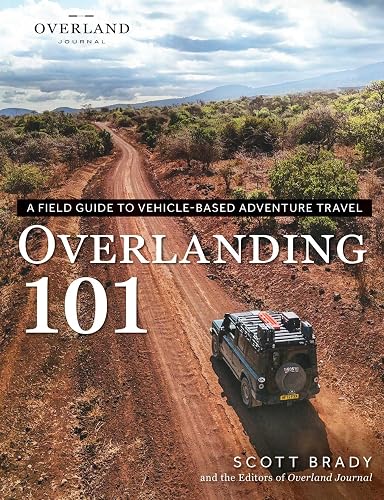
Overlanding 101: A Field Guide to Vehicle-Based Adventure Travel (Overland Journal)
Best for: Learning the full range of overlanding topics before spending money on gear.
This is a good starting point for readers who want a grounded overview of planning, camp setup and trail etiquette. Owners often report it works as a reference they return to over several seasons.
Pros
- Covers planning, camping and vehicle basics in one volume
- Well suited to readers new to vehicle-based travel
Cons
- Less detail on specific vehicle builds
The Overlanding Vehicle Builder’s Guide

The Overlanding Vehicle Builder's Guide
Best for: Readers planning suspension, drivetrain or electrical upgrades.
Aimed at people who want to understand how each modification affects the rest of the vehicle. It suits readers who plan to do their own work.
Pros
- Detailed on drivetrain and suspension choices
- Useful for planning upgrades in a logical order
Cons
- Assumes some mechanical familiarity
UTV OVERLANDING & CAMPING: A Comprehensive Guide to Adventure Travel in Your Side by Side

UTV OVERLANDING & CAMPING: A Comprehensive Guide to Adventure Travel in Your Side by Side
Best for: Side-by-side owners who want to camp off-pavement.
Written for riders whose vehicle has a different payload, width and suspension profile than a full-size truck. Readers with UTVs will find the packing and recovery advice more relevant than general overlanding titles.
Pros
- Addresses UTV payload and width limits directly
- Practical camping setups for smaller vehicles
Cons
- Limited coverage for full-size trucks
Overland: Project Guide to Offroad, Bug Out & Overlanding Vehicles

Overland: Project Guide to Offroad, Bug Out & Overlanding Vehicles
Best for: Planning a complete vehicle project from a stock starting point.
This suits owners who want a structured build sequence rather than a collection of separate tips. It is a practical companion when you are deciding what to do first.
Pros
- Organized as a project sequence
- Covers offroad and overland vehicle types
Cons
- Some topics are covered more briefly than specialist titles
Overlanding for Beginners: Your Complete Guide to Vehicle-Based Adventure, Off-Road Camping, and Life Beyond the Pavement

Overlanding for Beginners: Your Complete Guide to Vehicle-Based Adventure, Off-Road Camping, and Life Beyond the Pavement
Best for: First-time trip planners with a stock vehicle.
Targets readers who want to understand the basics before buying equipment. It works well alongside a trail guide for a first off-pavement trip.
Pros
- Plain-language introduction to off-pavement camping
- Useful checklists for first trips
Cons
- Less depth on advanced vehicle modifications
Overlanding Pamir and Tajikistan: The self-drive guide for explorers traveling by motorcycle, 4×4 or campervan on and off-road

Overlanding Pamir and Tajikistan: The self-drive guide for explorers traveling by motorcycle, 4×4 or campervan on and off-road (Overlanding Guides)
Best for: Readers planning remote international routes rather than domestic trails.
This is a regional guide for travelers focused on one specific high-altitude area. Its value depends on whether that region matches your plans.
Pros
- Region-specific route and logistics detail
- Covers motorcycle, 4×4 and campervan travel
Cons
- Narrow focus that does not transfer to US trails
Buying Guide
Match the Book to Your Vehicle
A general overlanding book is useful for most owners, but a side-by-side or a motorcycle has different limits. Check whether the author covers your platform before buying.
FAQ
What is the difference between off roading and overlanding?
Off roading usually focuses on driving over rough terrain for the challenge and fun of the drive itself. Overlanding emphasizes self-sufficient, multi-day travel to remote places, with camping, navigation, and vehicle preparation as core parts of the trip.
Do I need a specific type of vehicle to start overlanding?
Not necessarily. Many people begin with a capable stock 4×4, a crossover, or even a side-by-side, depending on where they plan to travel. The best starting point is a vehicle you already own, paired with a book that helps you understand its limits and how to prepare it.
Which book is best for complete beginners?
Books aimed at beginners tend to cover trip planning, basic recovery, camping setup, and safety in clear, approachable language. Look for a title that explains fundamentals before getting into vehicle modifications.
Are these books useful if I drive a side-by-side instead of a truck or SUV?
Yes, but choose a title that specifically addresses UTVs and side-by-sides. Their payload, tire options, and trail-access rules differ from four-wheeled vehicles, so a dedicated guide will be more relevant.
Do I need to read a regional guide if I plan an international trip?
If your route crosses unfamiliar terrain or borders, a region-specific guide can be very valuable for road conditions, permits, and local regulations. Pair it with a general overlanding book for the broader skills you will need on the road.
How often should I check for updated editions?
Vehicle technology, regulations, and travel rules change over time, so checking publication dates before buying is a good habit. Newer editions are more likely to reflect current equipment, safety practices, and route information.
Conclusion
If you want a broad introduction to vehicle-based travel, start with the best overall pick, and choose the vehicle-build guide if your priority is modifying or preparing your rig. Side-by-side owners should look first at the UTV-focused title, while those planning a remote international route will benefit most from the region-specific guide.
Beginners who want a gentle entry point will find the beginner-focused book the easiest to follow, and project-minded readers may prefer the broader build reference. Match the book to your vehicle and trip style, and you will get far more out of your reading.
Related reading
- Off Roading Recovery Gear: 7 Essentials for Safe Trail Rescues
- Jeep Off Roading Trails: 5 Best Guides and Route Books for 2026
- Water Tank for Overlanding: 6 Best Picks Compared for Trail Use
- Water Storage for Overlanding: 7 Best Picks Compared for Trail Use
About Audrey Hayes
Audrey Hayes is part of our editorial team and reviews and edits our off-road trails & overlanding guides, checking product details against manufacturer specifications and owner feedback.