 By Audrey Hayes
Updated November 2026
Planning a trip on the best overlanding trails in the US means choosing routes that match your vehicle, your skill level, and the season you can actually travel. Most overlanders end up doing that research across scattered forum posts, state land agency pages, and old guidebooks. A well-built route guide cuts that work down. This list compares seven books that focus on route planning, trail difficulty ratings, best seasons, and vehicle preparation. Each pick was evaluated on the depth of its regional coverage, how clearly it rates difficulty, whether it covers vehicle and gear preparation, and how owners tend to describe its usefulness in practice.
Our top picks at a glance
- 1
 TOP CHOICEBest overallOverlanding in the Southeastern United StatesView on Amazon
- 2
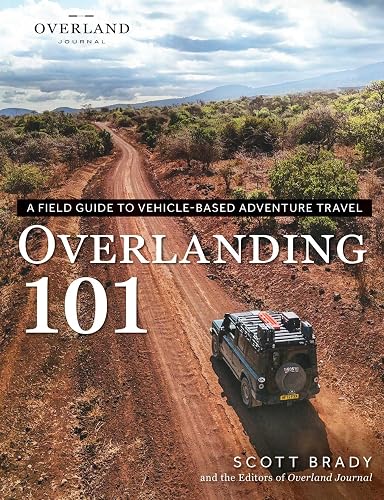 TOP CHOICEBest for planning your first expeditionOverlanding 101: A Field Guide to Vehicle-Based Adventure TravelView on Amazon
- 3
 TOP CHOICEBest for side-by-side ownersUTV OVERLANDING & CAMPING: A Comprehensive Guide to Adventure Travel iView on Amazon
- 4
 Best for long-distance trip planningThe Overlanding Handbook: Planning and Equipping a Vehicle for Long-Distance AdventureView on Amazon
- 5
 Best for building your rigOverlanding 101: Build Your Rig and Plan Your First ExpeditionView on Amazon
- 6
 Best for vehicle buildsThe Overlanding Vehicle Builder's GuideView on Amazon
- 7
 Best for hands-on 4×4 preparationOverlanding from Scratch: The Practical Guide to Preparing Your 4×4, PView on Amazon
Our Top Picks
Quick Comparison
| Product | Best for | Key feature |
|---|---|---|
| Overlanding in the Southeastern United States | Trips in GA, SC, NC, TN, and Southern VA | Regional route coverage |
| Overlanding 101: A Field Guide to Vehicle-Based Adventure Travel | First-time overlanders | Foundational field guidance |
| UTV Overlanding & Camping | Side-by-side owners | UTV-specific trail planning |
| The Overlanding Handbook | Long-distance expeditions | Planning and equipping a vehicle |
| Overlanding 101: Build Your Rig and Plan Your First Expedition | Rig builders | Build-to-expedition workflow |
| The Overlanding Vehicle Builder’s Guide | Vehicle modification projects | Component selection |
| Overlanding from Scratch | 4×4 owners preparing for trails | Route and camp organization |
Overlanding in the Southeastern United States
Overlanding in the Southeastern United States: GA, SC, NC, TN, Southern VA
Best for: Regional trip planning in the Southeast
This guide suits overlanders who want to explore the forests, river corridors, and mountain roads of Georgia, South Carolina, North Carolina, Tennessee, and Southern Virginia. Its regional focus makes it useful when you need route context for one part of the country rather than general advice.
Key specs:
- Coverage: GA, SC, NC, TN, and Southern VA
- Format: regional overlanding guide
Pros:
- Focused regional route information
- Useful for seasonal planning in humid climates
- Helps narrow down which trails suit your vehicle
Cons:
- Limited value outside the covered states
- Route details may need checking against current land agency notices
Bottom line: A strong pick for overlanders based in or traveling through the Southeast.
Overlanding 101: A Field Guide to Vehicle-Based Adventure Travel
Overlanding 101: A Field Guide to Vehicle-Based Adventure Travel (Overland Journal)
Best for: Learning overlanding fundamentals before your first trip
This field guide is aimed at people new to vehicle-based travel who want a clear framework for choosing routes, packing, and staying safe away from services. It works well as a starting point before you commit to a regional or build-specific title.
Key specs:
- Format: field guide
- Subject: vehicle-based adventure travel
Pros:
- Broad foundation for beginners
- Covers the logic behind route and gear decisions
- Easy to use as a reference on the trail
Cons:
- Less specific about individual regions
- Advanced builders may want more technical depth
Bottom line: The right first book for someone planning their first overland trip.
UTV Overlanding & Camping: A Comprehensive Guide to Adventure Travel in Your Side by Side
UTV OVERLANDING & CAMPING: A Comprehensive Guide to Adventure Travel in Your Side by Side
Best for: Side-by-side owners planning multi-day trips
Side-by-side owners often need different route and load planning than full-size 4×4 drivers. This guide focuses on adapting overlanding methods to UTVs, including camp setup and trail selection for smaller, more capable machines.
Key specs:
- Vehicle focus: UTV and side-by-side
- Subject: camping and multi-day travel
Pros:
- Addresses UTV-specific limits on payload and range
- Practical camp setup guidance
- Useful for mixed-terrain route planning
Cons:
- Less relevant to full-size vehicle owners
- Coverage of specific trails is general rather than detailed
Bottom line: Best suited to UTV owners who want a dedicated planning resource.
The Overlanding Handbook: Planning and Equipping a Vehicle for Long-Distance Adventure
The Overlanding Handbook: Planning and Equipping a Vehicle for Long-Distance Adventure (The Adventure Vehicle Library Book 3)
Best for: Long-distance expedition planning
This handbook is organized around planning and equipping a vehicle for extended trips, which makes it a good fit for people building toward a multi-week route. It emphasizes preparation sequence: what to decide first, what to install, and what to test before leaving.
Key specs:
- Series: The Adventure Vehicle Library, Book 3
- Focus: long-distance planning and vehicle equipping
Pros:
- Clear preparation sequence
- Strong on long-distance logistics
- Pairs well with regional route guides
Cons:
- Assumes some existing mechanical familiarity
- Less focus on short weekend routes
Bottom line: Ideal for overlanders preparing a longer expedition with a full-size vehicle.
Overlanding 101: Build Your Rig and Plan Your First Expedition
Overlanding 101: Build Your Rig and Plan Your First Expedition (Truck, RV & Overlanding Series)
Best for: Building a rig and moving from build to first trip
This title links vehicle build decisions with route planning, so you can see how a suspension, tire, or recovery choice affects where you can go. It suits people who are still assembling their rig and want planning context early.
Key specs:
- Series: Truck, RV & Overlanding
- Focus: rig building and first expedition planning
Pros:
- Connects build choices to trail capability
- Good sequence for first-time builders
- Covers expedition planning alongside builds
Cons:
- Build details may be general for specific platforms
- Less depth on regional trail specifics
Bottom line: A solid choice for owners still outfitting a vehicle who want to plan their first expedition.
The Overlanding Vehicle Builder’s Guide
The Overlanding Vehicle Builder's Guide
Best for: Vehicle modification projects
This guide concentrates on the hardware side of overlanding, including how to choose and integrate components such as racks, power systems, and recovery gear. It is most useful when you already know your destination and need to build the vehicle to match.
Key specs:
- Focus: vehicle component selection and integration
Pros:
- Detailed on component selection
- Useful for weight and payload planning
- Helps prioritize upgrades by trail use
Cons:
- Less guidance on route selection
- Some modifications may need professional installation
Bottom line: The best choice for builders who want a component-focused reference.
Overlanding from Scratch: The Practical Guide to Preparing Your 4×4, Planning Routes, Organizing Camp, and Starting Your First Expeditions
Overlanding from Scratch: The Practical Guide to Preparing Your 4×4, Planning Routes, Organizing Camp, and Starting Your First Expeditions
Best for: Hands-on 4×4 preparation and camp organization
This practical guide covers preparing a 4×4, planning routes, and organizing camp, which makes it a good all-round reference for owners moving from their first short trips to longer expeditions. Its structure follows the order most trips actually unfold.
Key specs:
- Coverage: vehicle preparation, route planning, camp organization
Pros:
- Covers the full trip cycle
- Practical checklists and sequencing
- Accessible to newer 4×4 owners
Cons:
- Regional route details are general
- Some sections overlap with other overlanding titles
Bottom line: A strong all-round pick for 4×4 owners who want one book covering preparation through first expedition.
Buying Guide
Regional Route Coverage
Check whether the guide names specific states, forest systems, or BLM areas, and whether it lists access rules. General advice is useful, but route-level detail saves planning time. Confirm any trail information against current agency notices, since closures change.
Good picks for this: Overlanding in the Southeastern United States, The Overlanding Handbook
Trail Difficulty and Ratings
Look for a clear system for rating difficulty, such as grades for obstacles, grade, and remoteness. Confirm that the rating method is explained rather than just stated. Difficulty depends on your vehicle and experience, so a rating means more when the guide tells you what it assumes.
Good picks for this: Overlanding 101: A Field Guide to Vehicle-Based Adventure Travel, Overlanding from Scratch
Best Season and Weather Planning
Seasonal guidance matters because mud, snow, heat, and monsoon weather change access. Good guides explain when routes are typically open and when they become hazardous, and they note elevation effects. Verify season windows with local land management offices before committing.
Good picks for this: Overlanding in the Southeastern United States, Overlanding from Scratch
Vehicle Type and Payload
Match the guide to your platform. UTV and side-by-side owners face different payload and range limits than full-size 4×4 owners. Check that the book addresses your vehicle class, and note any assumptions about tires, clearance, or drivetrain.
Good picks for this: UTV Overlanding & Camping, Overlanding 101: Build Your Rig and Plan Your First Expedition
Vehicle Preparation Depth
Decide whether you need preparation guidance or component-level detail. Preparation guides cover checks, spares, and sequencing. Builder guides cover integrating racks, power, and recovery hardware. Many owners benefit from both, starting with preparation and adding build detail later.
Good picks for this: The Overlanding Vehicle Builder’s Guide, The Overlanding Handbook
Recovery and Safety Coverage
Good guides cover recovery planning, communication, and what to carry when you are far from help. Look for discussion of recovery gear selection and training, and for clear advice on turning back when conditions exceed your capability. Recovery techniques are learned and practiced; consult a qualified instructor or certified guide before attempting winching or high-angle recovery.
Good picks for this: Overlanding 101: A Field Guide to Vehicle-Based Adventure Travel, Overlanding from Scratch
Format and Ease of Use on the Trail
Consider whether you will reference the guide in camp or at a trailhead. Compact field guides, checklists, and clearly indexed chapters are easier to use outdoors than long narrative volumes. Also check whether the book is available in a format that suits your planning habits.
Good picks for this: Overlanding 101: A Field Guide to Vehicle-Based Adventure Travel, Overlanding 101: Build Your Rig and Plan Your First Expedition
FAQ
What makes a trail one of the best overlanding trails in the US?
There is no single official list. Strong trails usually offer scenic variety, reasonable access, documented difficulty, and clear seasonal windows. Checking land agency maps and recent conditions is more reliable than any ranking.
Do I need a 4×4 to overland?
Many routes are passable in high-clearance two-wheel-drive vehicles, while others require four-wheel drive and good tires. Choose routes based on your vehicle’s clearance, traction, and your experience level.
When is the best season for overlanding in the US?
It depends on region and elevation. Desert routes are often best in cooler months, while high-elevation mountain routes usually open in summer. Always confirm seasonal closures with the managing agency.
Should a beginner start with a regional guide or a general guide?
Beginners often benefit from a general field guide first, then a regional guide for the area they plan to visit. This order builds the skills needed to read route information accurately.
How do I check whether a trail is open?
Contact the managing agency, such as a national forest or Bureau of Land Management field office, and check their current alerts. Conditions can change quickly because of weather, fire, or maintenance.
Is a UTV guide useful for full-size vehicle owners?
Only partly. UTV guides often focus on smaller payloads and different terrain limits. Full-size owners usually get more value from builder or expedition guides.
Should I consult a professional before a remote trip?
Yes. For remote travel, recovery training, and emergency planning, consult a qualified off-road instructor, your vehicle manufacturer, or local rescue services before you go.
Conclusion
For most readers, the right pick depends on what you are trying to plan. If you want regional route context, the Southeastern guide is the clearest choice. Beginners should start with a field guide, while side-by-side owners need a UTV-specific title. Builders will get the most from the vehicle guides, and owners preparing a longer expedition will find the handbook and practical 4×4 guide most useful. Pair any book with current agency information before you head out.
Sources
- Current national forest trail conditions, closures, and seasonal access notices (fs.usda.gov)
- Bureau of Land Management recreation area rules, permits, and road access information (blm.gov)
- National Park Service backcountry travel guidance and park road status (nps.gov)
Related reading
- Water Tank for Overlanding: 6 Best Picks Compared for Trail Use
- Water Storage for Overlanding: 7 Best Picks Compared for Trail Use
- Top 7 Overlanding Paper Towel Holder Options for Trail Camping
- Top 6 Propane Tanks for Overlanding: Compared for Trail Camping
- Top 5 Best Diesel Heaters for Overlanding Picks Compared for Trail Camping
- Subaru Outback for Overlanding: 4 Best Picks Compared for Trail Use
- Overlanding Water Filtration System: 6 Best Picks Compared for Trail Use
About Audrey Hayes
Audrey Hayes is part of our editorial team and reviews and edits our off-road trails & overlanding guides, checking product details against manufacturer specifications and owner feedback.